Why Carburetor Varnish Is Miami's #1 Generator Problem
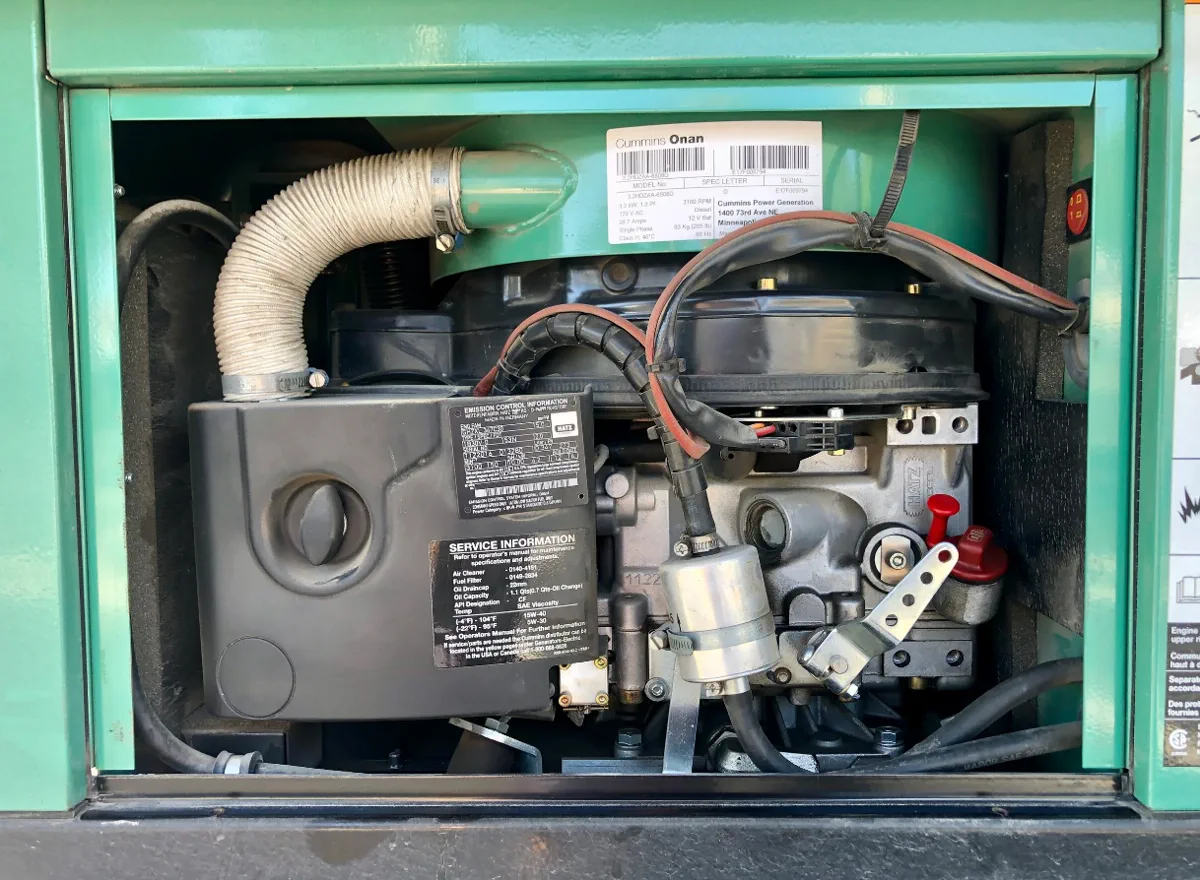
Carburetor varnish is the dominant cause of RV generator no-starts in Miami-Dade, and it is entirely predictable from the combination of ethanol-blend fuel and South Florida heat. Here is the chemistry: ethanol-blend E10 gasoline (standard at virtually all Miami fuel stations) is a water-absorbing compound. When stored in a fuel system in temperatures above 80 degrees, the ethanol phase-separates from the gasoline and migrates toward the water phase in as little as 3-4 weeks. This phase separation leaves a layer of ethanol-water mixture at the bottom of the carburetor float bowl and a gum-varnish residue on the internal passages as the remaining gasoline evaporates. The residue blocks the main jet (which has a typical diameter of 0.028-0.035 inches) and prevents fuel from reaching the engine. The generator cranks, has spark, but will not fire because no fuel reaches the combustion chamber.
The Carburetor Cleaning Process
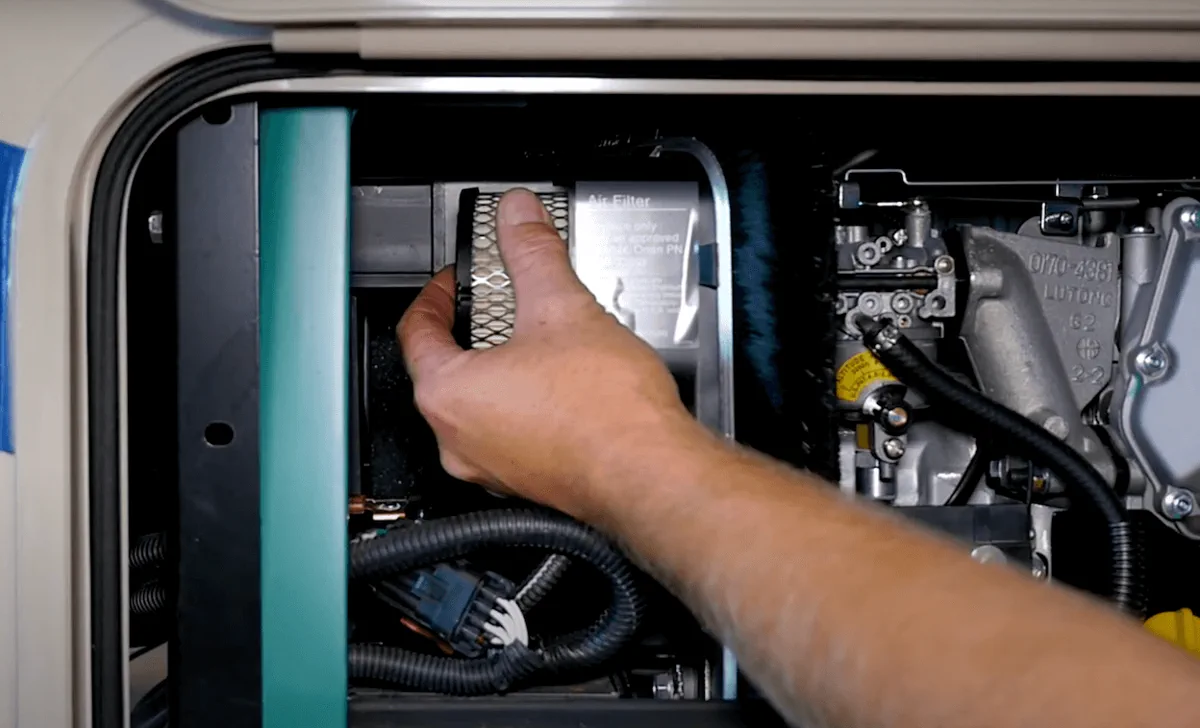
We remove the carburetor from the generator engine, disassemble it completely (float, needle, main jet, emulsion tube, idle circuit), and clean all passages with aerosol carburetor cleaner and compressed air. For severely varnished units, we use ultrasonic cleaning - immersing the disassembled parts in an ultrasonic bath that physically dislodges varnish deposits from blind passages that spray cleaner cannot reach. Main jet inspection: if the jet is partially dissolved by ethanol exposure (which can erode the soft brass over time) or physically damaged, we replace it with an OEM-specification jet to ensure correct fuel metering. After reassembly, we install a new inline fuel filter before reinstallation to prevent freshly disturbed tank sediment from immediately reclogging the cleaned carb. The generator is started and run under load (with the RV's AC running) for 20-30 minutes to verify correct fuel delivery and stable operation at both loaded and unloaded RPM.
Preventing Recurrence in Miami Conditions
After carburetor cleaning, we add fresh fuel and Sta-Bil Marine fuel stabilizer to the generator tank at the correct ratio for Miami's climate. We also drain and remove the old fuel from the tank if it is more than 6 weeks old - cleaning the carb while leaving varnished fuel in the tank is a temporary fix at best. For ongoing prevention, we provide every generator customer with a Miami-specific maintenance schedule: run under load every 2-4 weeks, use ethanol-free fuel when available (some Miami-Dade marinas carry it), and add stabilizer for any storage period exceeding 4 weeks. Following this schedule effectively eliminates carburetor-related no-starts.
2026 RV Generator Carburetor Cleaning Pricing - Miami, FL
| Service | Miami Avg. Range | Time On-Site |
|---|---|---|
| Carburetor cleaning (standard) | $120 - $200 | 1.5-2 hrs |
| Carburetor cleaning (ultrasonic) | $160 - $240 | 2-2.5 hrs |
| Main jet replacement | $25 - $55 (add-on) | 15-30 min |
| Fuel filter replacement | $35 - $65 | 30-45 min |
| Complete carburetor replacement | $180 - $280 | 2-2.5 hrs |
| Fuel tank drain and fresh fill | $45 - $85 | 30-45 min |
Pricing disclaimer: Figures are local average estimates. Your final price is always determined on-site by your technician after diagnosis. We provide a firm flat-rate quote before any work begins.
Miami-Dade Service Coverage
We serve all 34 cities in Miami-Dade County. Key service areas for rv generator carburetor cleaning:
We also service campgrounds and RV parks near Everglades National Park, Biscayne National Park, and the Florida Keys gateway at Florida City and Homestead.
About Our Technicians
Marcus Reyes and the RV Repair Miami team hold RVIA (Recreation Vehicle Industry Association) and RVDA (Recreation Vehicle Dealers Association) certifications - the two primary national credentials for RV repair technicians. We verify certifications before every dispatch. 14 years of Miami-Dade service means we know the local climate's specific impact on every RV system and carry the parts most commonly needed for South Florida conditions.
Related Services
See our full RV Generator Repair page for all options, complete 2026 pricing, and detailed Miami-specific guidance. We also offer pre-purchase and annual inspections across Miami-Dade that assess the complete condition of your RV system before any repair decision.